
The modern design world is obsessed with clean lines, bold graphics, and striking minimalism. But did you know this aesthetic was popularized not by Silicon Valley startups, but by a government program created during the darkest days of the Great Depression?
These are the unforgettable visuals of the Works Progress Administration (WPA), specifically the posters produced under the Federal Art Project (FAP). Far more than just advertisements, these vintage posters were the public face of a nation rebuilding itself, using art to communicate hope, public safety, and the unmatched beauty of America’s natural spaces.
From encouraging literacy to promoting the newly formed National Parks, WPA art blended European avant-garde styles with American practicality, resulting in a look that remains instantly recognizable and profoundly inspiring. If you’re a fan of bold color and powerful history, this is the art that defined a generation.
The story of the WPA posters is the story of America fighting back against economic ruin. In 1935, President Franklin D. Roosevelt launched the Works Progress Administration (WPA) as part of the New Deal, aiming to put millions of unemployed Americans back to work. While most efforts focused on building roads, bridges, and parks, the Federal Art Project (FAP) specifically hired writers, musicians, actors, and—most importantly for us—visual artists.
The goal was simple yet profound: to create public art that served the community. Instead of painting canvases for galleries, artists designed over 2 million posters to promote everything from public health and adult education programs to community events and, critically, America’s national treasures. It was the first time the U.S. government became a major patron of the arts, forever changing the relationship between government and creativity.

Premium framed prints delivered ready-to-hang or Rolled for the do it yourselfers.
The unique style that defines WPA art wasn’t born by accident; it was a function of both necessity and artistic trends. Artists needed to create impactful messages quickly and cheaply.
This minimalist, yet powerful, style proved incredibly effective, turning mundane government announcements into enduring pieces of design history.
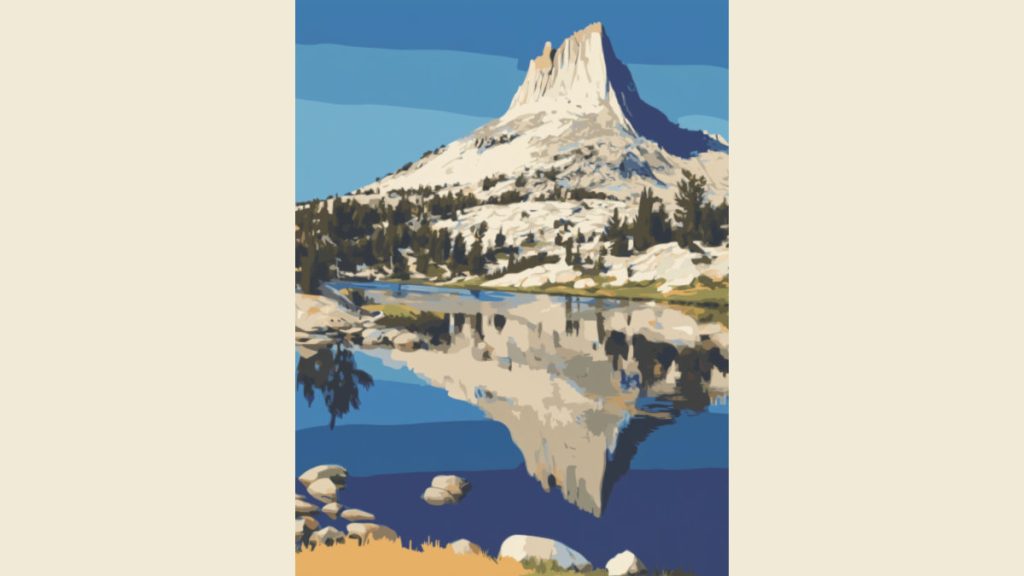
While thousands of posters were produced, only a fraction survive today, making the originals highly prized collector’s items. The most enduring legacy comes from the iconic series promoting America’s stunning natural wonders—posters that urged citizens to “See America First!” and visit the National Parks.
These images of the Grand Canyon, Yosemite, and Yellowstone, with their dramatic angles and saturated colors, weren’t just promotional material; they established the visual identity of the American landscape. They instilled a powerful sense of national pride and a commitment to preserving these natural spaces, a sentiment that resonates even more strongly today.
The powerful simplicity of WPA art has inspired a new generation of designers and artists. The timelessness of the bold lines and inspiring messages makes the style perfect for modern homes.
You can honor this incredible period of American design by bringing home a piece of modern WPA-style art. We offer contemporary takes on this classic aesthetic, printed on your choice of durable Photo Satin Poster Paper or luxurious Archival Giclée Canvas for a piece that captures history with stunning clarity.